






The idea of financial freedom has long been tied to traditional investing, real estate, and long-term savings vehicles. But the rise of cryptocurrency has disrupted this paradigm, presenting both individuals and institutions with an entirely new way of thinking about wealth creation.
Digital assets, built on decentralized blockchain technology, are no longer seen as fringe experiments. Instead, they are increasingly recognized as legitimate vehicles for diversification, growth, and alternative income generation in a digital-first economy.
With global crypto adoption surpassing 820 million in 2025, the conversation is no longer about whether cryptocurrency has staying power, but how structured approaches to digital-asset investment can empower a new era of financial independence.
Rethinking Wealth in the Digital Economy
Financial freedom used to mean steady returns, low-risk savings, and retirement planning. While those principles remain relevant, cryptocurrency introduces a different lens: programmable money, borderless transactions, and transparent financial systems not controlled by centralized intermediaries.
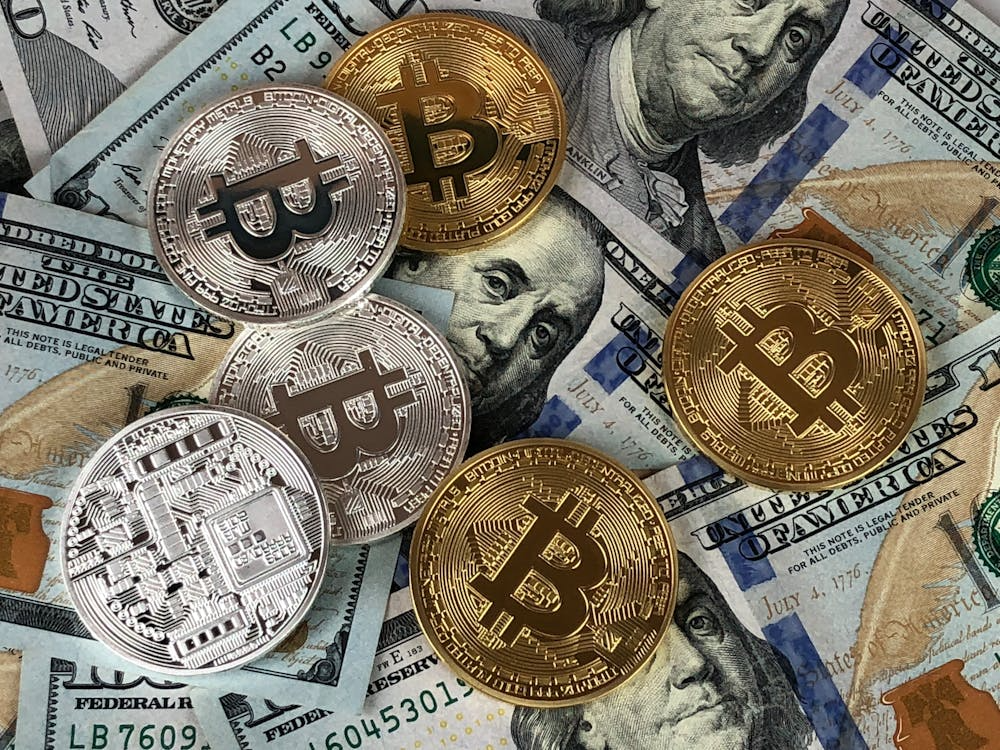
Bitcoin, often considered “digital gold,” exemplifies the shift. Limited in supply and immune to inflationary pressures caused by unchecked money printing, it offers individuals a hedge against traditional financial instability.
Meanwhile, platforms like Ethereum enable decentralized finance (DeFi) applications, empowering users to earn yields, lend assets, or access liquidity without relying on banks.
The takeaway is clear: cryptocurrencies expand the definition of wealth beyond static accumulation. They introduce active participation in a global, decentralized financial ecosystem.

Structured Approaches for Long-Term Impact
While cryptocurrency can be volatile, structured investment approaches provide the discipline needed to harness its potential responsibly. For both individuals and institutions, three strategies stand out:
- Diversification Across Digital Assets
Just as traditional portfolios balance stocks, bonds, and commodities, crypto portfolios benefit from diversity. Bitcoin may serve as a store of value, while altcoins like Ethereum, Solana, and Chainlink offer exposure to innovation in smart contracts, scalability, and data integration. - Dollar-Cost Averaging (DCA)
Market timing is notoriously difficult, especially in crypto. Dollar-cost averaging—investing a fixed amount at regular intervals—smooths out volatility, reducing emotional decision-making and building sustainable long-term exposure. - Yield Generation Through DeFi and Staking
Beyond holding coins, investors can earn passive income by staking tokens or participating in decentralized finance platforms. These mechanisms turn idle assets into productive ones, aligning with the concept of financial independence.
Institutions, too, are adopting structured crypto strategies. Hedge funds, family offices, and even pension funds are exploring digital assets as part of diversified portfolios. Their participation signals maturity, lending legitimacy to crypto as an asset class rather than a speculative bubble.
Institutions and the Democratization of Wealth
Historically, financial freedom has been easier for institutions to secure than for individuals. Cryptocurrency changes this equation by lowering barriers to entry. Anyone with a smartphone and internet connection can buy Bitcoin, join a DeFi protocol, or transfer assets across borders.
At the same time, institutional adoption drives confidence. For example, the approval of Bitcoin exchange-traded funds (ETFs) in the U.S. in 2024 brought new credibility to crypto investment, allowing retail investors to participate through familiar brokerage accounts. This convergence of grassroots access and institutional validation accelerates the democratization of wealth.
Importantly, institutions benefit from crypto not only as a financial tool but also as a technological one. Blockchain enables transparent audits, streamlined payments, and efficient international transfers—features that enhance operations in a globalized digital economy.
Financial Independence Beyond Borders
One of the most overlooked aspects of cryptocurrency is its role in financial inclusion. In regions with unstable currencies or limited banking access, digital assets provide a lifeline. Stablecoins pegged to the U.S. dollar, for instance, offer stability in countries facing inflationary collapse.
For migrants and expatriates, crypto offers affordable cross-border transfers, avoiding the high fees associated with remittance services. These practical applications extend the idea of financial independence beyond traditional markets, underscoring cryptocurrency’s role in global wealth rethinking.
In developed economies, cryptocurrency also serves as a bridge between traditional and digital finance. Individuals exploring early retirement, alternative income, or location-independent lifestyles see crypto as a way to achieve freedom on their own terms.
Risks and Responsible Participation
Of course, cryptocurrency is not a guaranteed path to wealth. Volatility remains a hallmark, regulatory frameworks are still evolving, and security concerns—from scams to exchange hacks—pose ongoing risks.
Responsible participation means education, diversification, and risk management. Investors should adopt practices such as using secure wallets, understanding tax implications, and setting clear goals aligned with their risk tolerance.
Institutions, meanwhile, must balance opportunity with governance. Compliance with emerging regulations, adoption of best practices in custody, and integration with broader financial systems are critical to sustainable participation in digital assets.
A Paradigm Shift in Wealth Creation
What sets cryptocurrency apart from traditional wealth strategies is not only its growth potential but also its philosophy. Decentralization challenges the notion that wealth must be managed by intermediaries. Transparency ensures accountability. Global accessibility levels the playing field.
This paradigm shift redefines financial freedom from being a privilege reserved for the few to a possibility accessible to the many. Individuals and institutions willing to adopt structured, disciplined approaches can position themselves not only to benefit financially but to participate in shaping a new economic order.

Ready to Rethink Wealth Creation?
As the year unfolds, cryptocurrency stands at the crossroads of innovation and adoption. Central banks explore digital currencies, corporations integrate blockchain solutions, and individuals increasingly turn to crypto as part of their financial strategy.
For those seeking financial independence, the question is no longer whether cryptocurrency matters, but how best to integrate it into a structured, forward-looking approach to wealth creation.
At Kenson Investments, we believe financial freedom requires more than speculation—it demands insight, discipline, and structure. Our role as digital asset management consultants is to help individuals and institutions rethink wealth creation in the digital age. By combining market analysis with a focus on long-term strategies, we provide the tools to navigate this evolving landscape with clarity and confidence.
Contact Kenson Investments today to start your journey toward financial independence in the modern economy.
Disclaimer: The information provided on this page is for educational and informational purposes only and should not be construed as financial advice. Crypto currency assets involve inherent risks, and past performance is not indicative of future results. Always conduct thorough research and consult with a qualified financial advisor before making investment decisions.
“The crypto currency and digital asset space is an emerging asset class that has not yet been regulated by the SEC and the US Federal Government. None of the information provided by Kenson LLC should be considered as financial investment advice. Please consult your Registered Financial Advisor for guidance. Kenson LLC does not offer any products regulated by the SEC, including equities, registered securities, ETFs, stocks, bonds, or equivalents.”